
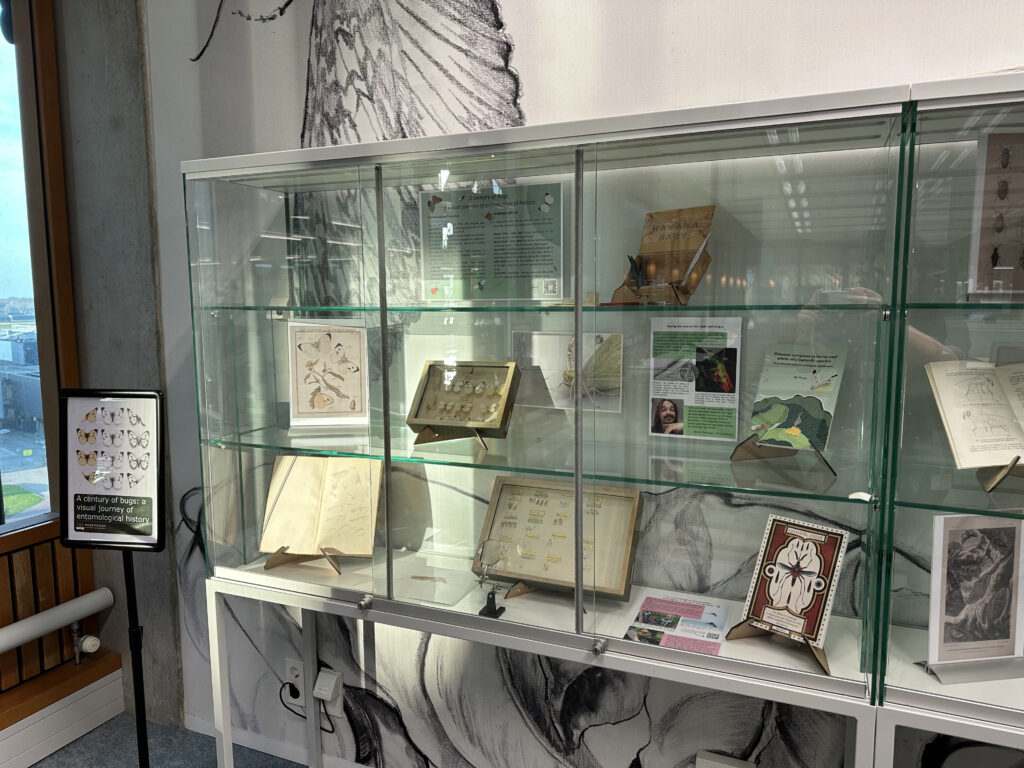
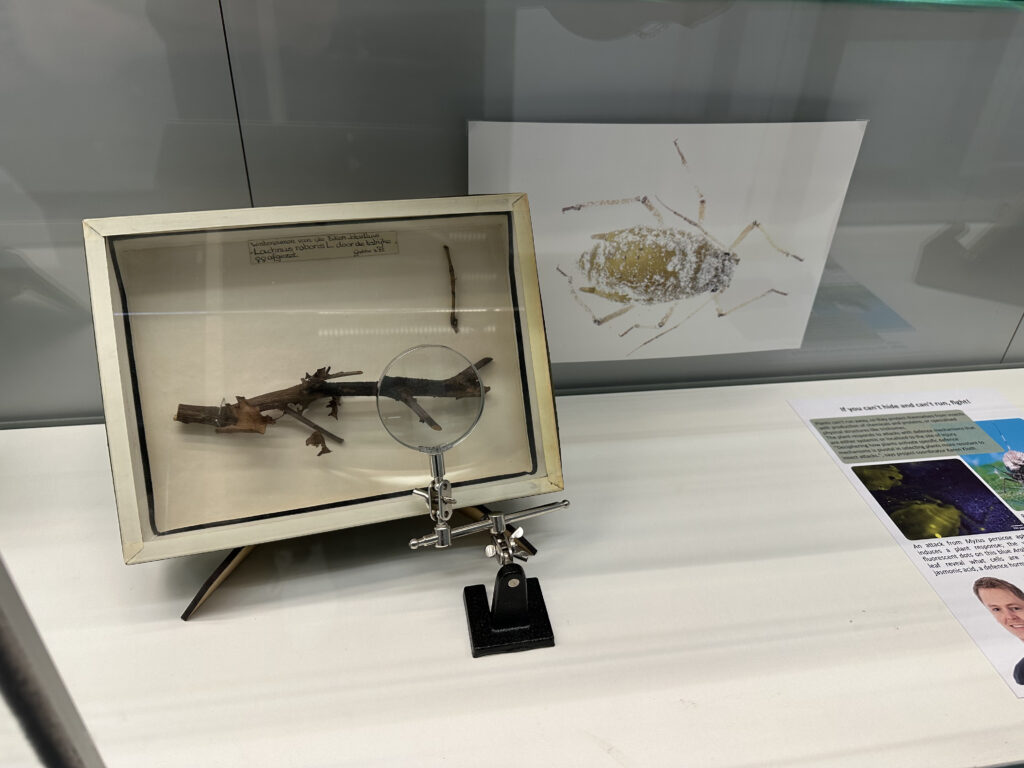
Over the past 100 years, the study of insects at Wageningen University & Research has undergone a remarkable transformation. What began with careful collecting, pinning, and classification has evolved into high-tech research in molecular biology, ecology, and sustainable pest management. The methods changed dramatically — the insects themselves did not. In this exhibition, we invite you to discover the insects studied at Wageningen through many different lenses: from the delicate drawings of early scientific illustrators to breathtaking macro-photography and the futuristic tools of modern laboratories.
Who should visit?
Researchers looking for inspiration from a rich scientific legacy.
Students curious about the future of insect science.
And anyone fascinated by the hidden lives of the smallest — yet most influential — organisms on our planet.
Practical information for visitors
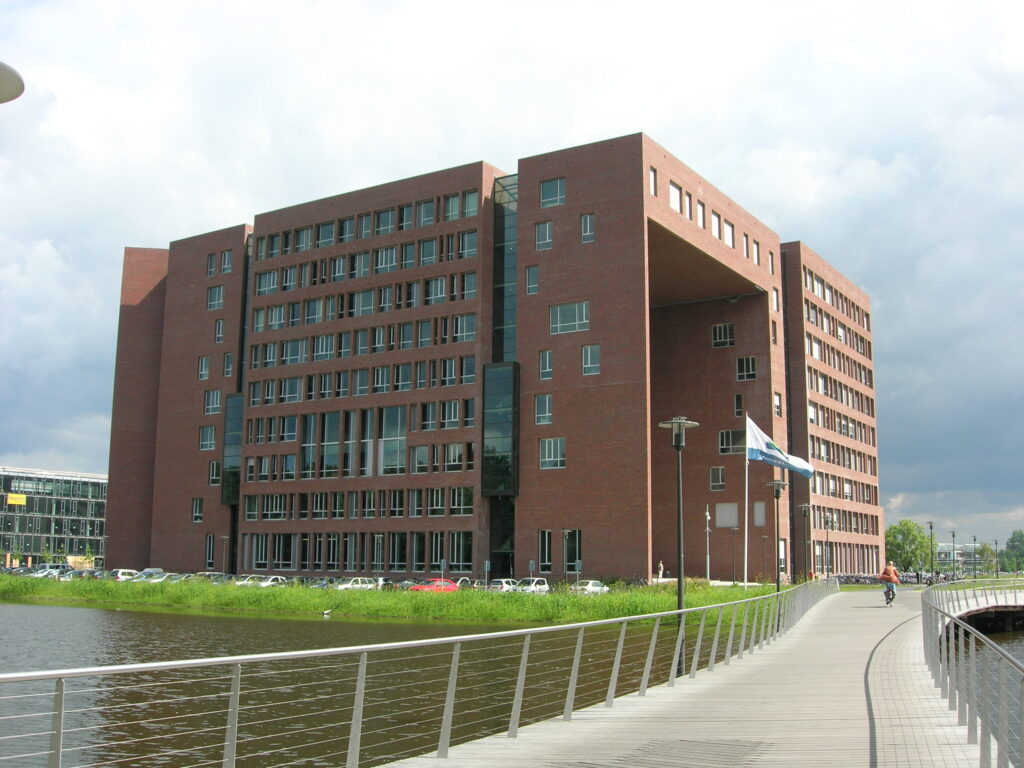
Exhibition: The exhibition will take place at the Library of Wageningen University in the Forum building, a place where centuries of knowledge meet tomorrow’s discoveries.
Date: 23 March – 3 June 2026
General location description Forum: The Forum is located on the WUR campus. The campus can be reached by bus from Ede/Wageningen station (lines 103 and 303). Free parking is available on campus: the closest parking area is P1 along the Droevendaalsesteeg (see here for more information).
What awaits you?
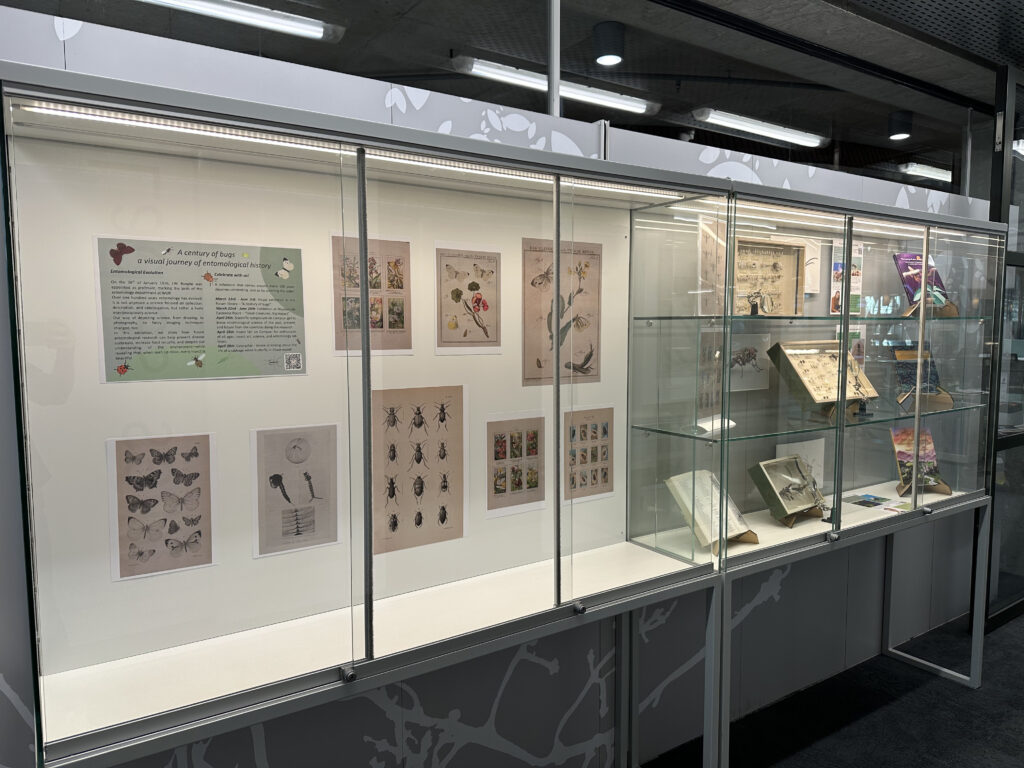
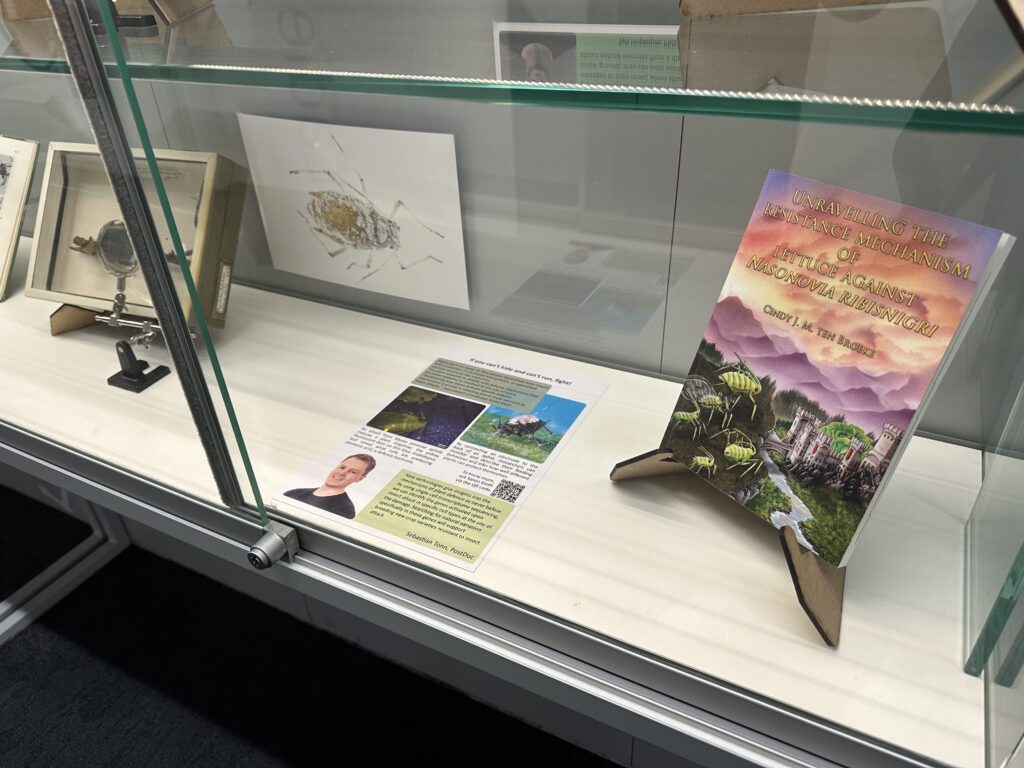
Insects in focus
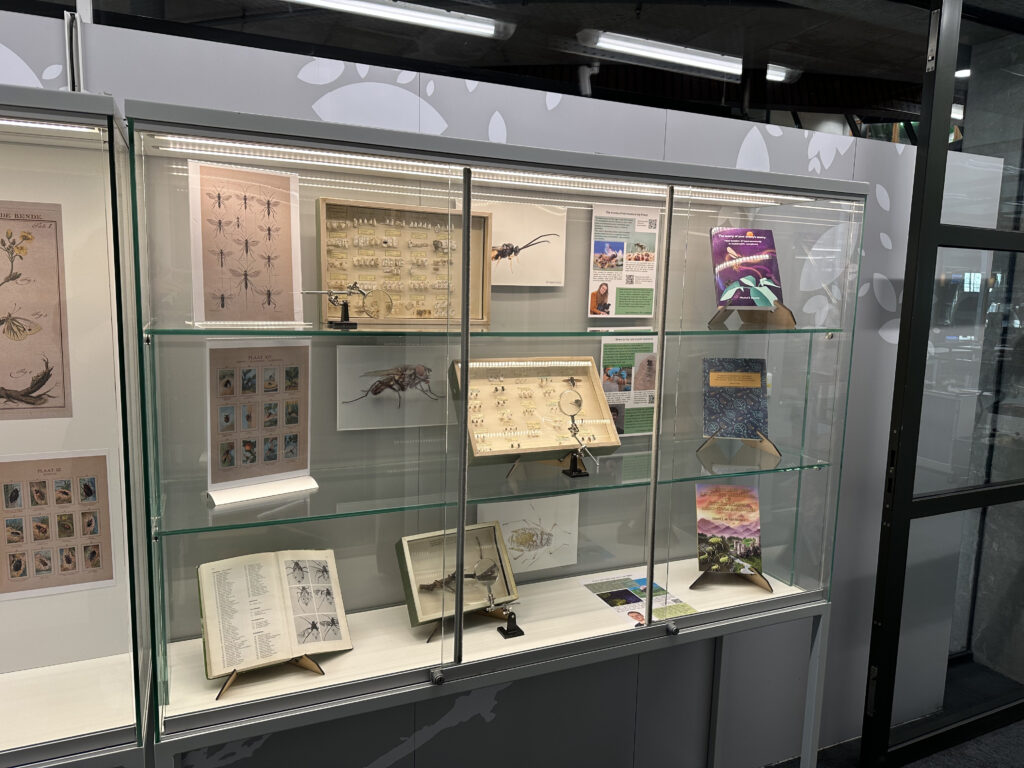
Walk alongside the original illustrators who first captured the beauty and detail of Wageningen’s insects. Then step forward in time to see those same species through stunning macro-photography that reveals structures invisible to the naked eye.
Discover how DNA sequencing, gene editing, and advanced imaging techniques have transformed insects into model systems for ecological research and innovative pest management solutions.
Explore real-world applications of a century of entomological expertise — from sustainable crop protection and food security to biodiversity monitoring and climate resilience.